In the wealth management sector, this status is regularly used by wealth management advisors, business providers or commercial networks wishing to offer life insurance, protection or savings solutions without directly holding independent broker status.
The MIA therefore intervenes in an intermediation chain. They act under the responsibility of the intermediary who grants them the mandate.
The Insurance Intermediary Agent (MIA) in figures
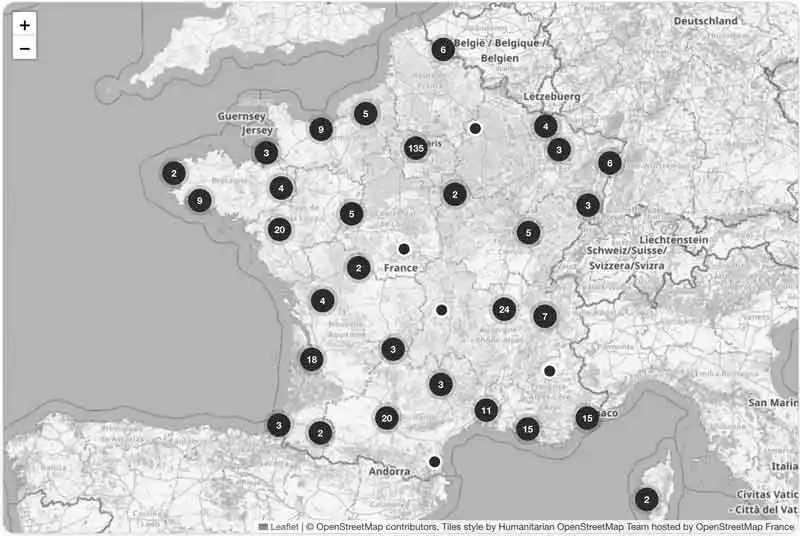
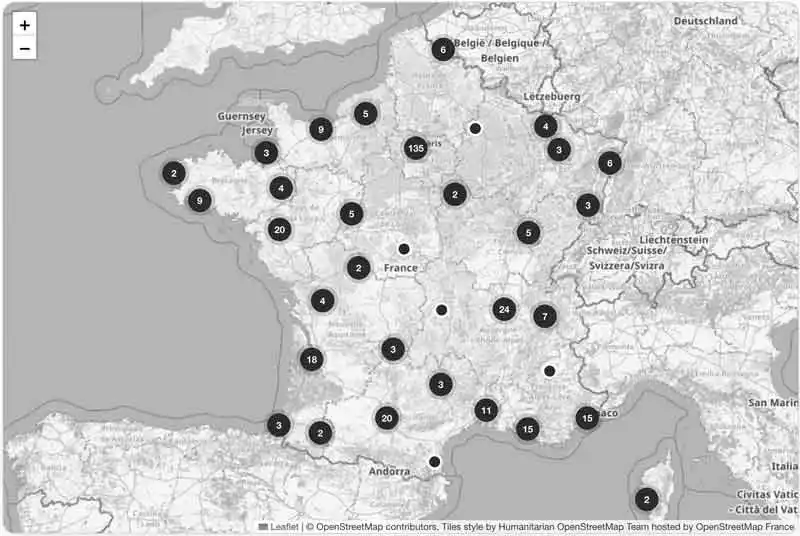
The Insurance Intermediary Agent (MIA) operates on behalf of a broker or another insurance intermediary, without being directly mandated by an insurance company. Their ORIAS registration is mandatory. As of December 31, 2024, France had 29,928 MIAs, representing an increase of 19.8% in one year. MIAs now account for more than 41% of insurance registrations with ORIAS, making them the leading category of insurance intermediaries in France. Approximately 88% of them operate on behalf of an insurance broker.
What is the role of an MIA in wealth management?
In the wealth management world, the insurance intermediary agent participates in the marketing of insurance products used in wealth strategies.
They can notably support clients with:
- life insurance;
- retirement planning;
- protection and insurance;
- estate planning;
- financial savings;
- spousal protection;
- capital building.
The MIA can present contracts, explain how they work and support the client in the subscription process. However, their level of autonomy depends on the mandate entrusted to them.
In many wealth management firms, this status allows certain advisors to practice under the regulatory supervision of a broker or a main structure that is already registered.
What is the difference between an MIA and an insurance broker?
The main difference lies in the level of independence.
The insurance broker generally acts independently and can select contracts from different insurance companies according to the client’s needs.
The MIA, on the other hand, acts on behalf of another intermediary. They therefore depend on the framework set by their principal.
In the field of wealth management, some professionals start under the MIA status before obtaining their own registration as a broker or independent wealth management advisor.
Is the MIA registered with ORIAS?
Yes. The insurance intermediary agent must be registered with ORIAS to legally carry out their activity.
ORIAS is the official register listing professionals authorized to operate in the insurance, banking and finance sectors.
This registration notably allows for the verification of:
- the professional’s legal existence;
- their regulatory status;
- their authorizations;
- the name of their principal;
- their administrative compliance.
In the wealth management sector, checking a professional’s ORIAS registration is an important reflex before subscribing to any financial or insurance product.
How to check the ORIAS registration of an MIA?
It is possible to consult the official ORIAS register free of charge to verify if a professional is properly authorized to practice.
The register allows you to find:
- the ORIAS number;
- the type of authorization;
- the regulatory category;
- the identity of the principal;
- the validity status of the registration.
This verification is particularly useful in wealth management, where clients may be required to subscribe to products involving a significant portion of their savings or assets.
Why is the MIA status common among CGPs?
In wealth management, professionals often combine several regulatory statuses to offer comprehensive support.
A wealth management advisor can thus be a:
- financial investment advisor (CIF);
- insurance intermediary agent (MIA);
- banking operations and payment services intermediary (IOBSP);
- real estate agent.
The MIA status notably allows certain firms or independent professionals to access life insurance or protection solutions without immediately having a full brokerage structure.
It is therefore a very common status in wealth distribution networks.
What regulation governs MIAs?
Insurance intermediary agents are subject to the Insurance Code as well as European rules related to the Insurance Distribution Directive (IDD).
They must notably:
- comply with information obligations;
- act within the framework of the entrusted mandate;
- have a valid ORIAS registration;
- comply with advice and transparency rules.
These obligations aim to secure the distribution of financial and insurance products in a highly regulated environment.
FAQ
An MIA is an insurance intermediary agent. They distribute insurance products on behalf of another intermediary, such as an insurance broker.
Yes. Within the framework of their mandate, they can offer life insurance contracts, protection solutions or other wealth management solutions.
Yes. ORIAS registration is mandatory to legally carry out this activity.
The broker acts more independently. The MIA operates under the responsibility of another intermediary who entrusts them with a mandate.
Because it allows wealth management advisors to distribute insurance solutions without immediately having an independent brokerage structure.