Home » Wealth management professionals » Notary
A notary is a legal professional responsible for ensuring the legal security of the deeds and decisions that shape a person’s wealth journey. A public officer appointed by the State, they are involved in many important situations: real estate purchase, gifts, inheritance, marriage contract, divorce, or business transfer. Their role is to guarantee the legal validity of deeds and to protect the interests of the different parties.
In the field of wealth management, the notary plays an essential role. Thanks to their in-depth knowledge of civil law, family law, and wealth taxation, they support clients in organising and transferring their wealth. In particular, they help structure gifts, anticipate an estate, or set up arrangements that optimise the transfer of assets within a legally secure framework.
The notary is also a central player in the real estate market. Any real estate transaction requires a notary’s involvement to authenticate the deed of sale and guarantee the legal security of the transaction. They verify information relating to the property, ensure documents are compliant, and carry out the official registration of the transaction.
Beyond these duties, the notary can also advise clients on broader wealth matters. For example, they may be involved in structuring family wealth, transferring businesses, or implementing legal strategies suited to complex wealth situations. In this context, they often work in collaboration with other wealth professionals such as wealth management advisers, lawyers, or chartered accountants.
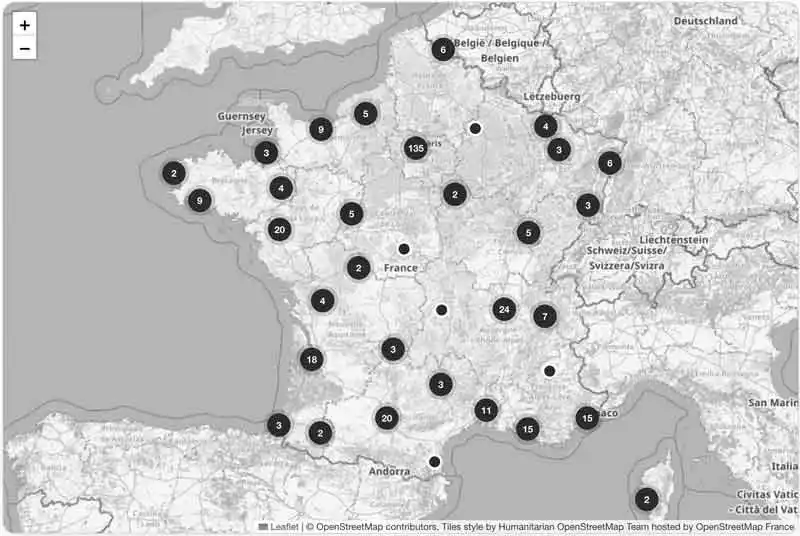
This page allows you to discover the notaries listed in our directory and identify professionals who can support you in legal security, organisation, and the transfer of your wealth.
A notary is involved at key moments in a person’s wealth journey. Their role is not limited to authenticating deeds: they also provide legal advice designed to secure decisions with significant consequences for wealth, family, or professional activity.
Thanks to their in-depth knowledge of the law, they support clients in a variety of situations such as purchasing real estate, drafting a marriage contract, organising a gift, or preparing an estate. Their involvement helps anticipate the legal and tax consequences of decisions and avoid many future difficulties.
The notary acts with complete impartiality and ensures the legal security of the deeds they draw up, making them a trusted point of contact for individuals and business owners alike.
Notaries are public officers responsible for authenticating legal deeds and supporting individuals and businesses through the major stages of their wealth journey. As of January 1, 2025, France had 17,436 notaries working within 7,052 notarial offices. The profession also employs more than 75,000 staff. Each year, notaries draw up nearly 20 million authentic deeds and are involved in the majority of real estate transactions, estates, gifts, and marriage contracts.
Wealth transfer is one of the notary’s main areas of expertise. They support families in organising their estate and implementing solutions suited to their objectives and situation.
In particular, the notary may be involved in gifts, family settlement gifts, dismemberment of ownership, or drafting wills. Their objective is to enable wealth to be transferred within a legally secure framework while taking into account inheritance rules and tax considerations.
This anticipation often helps preserve family balance, facilitate the transfer of assets, and reduce certain difficulties that may arise at the time of succession.
The notary also holds a central place in real estate transactions. Any real estate sale requires their involvement to guarantee the legal validity of the transaction and protect the interests of the different parties.
Before the final signing, they carry out numerous checks regarding ownership of the property, any easements, mortgages, and applicable planning rules. They also collect the taxes and duties linked to the transaction before proceeding with the official publication of the deed.
This role helps secure real estate purchases and provides both buyers and sellers with a reliable legal framework.
Beyond traditional deeds, the notary increasingly supports clients with broader wealth issues. They may be involved in structuring family wealth, organising a business transfer, setting up civil companies, or protecting a spouse and children.
Their expertise is particularly valuable when several wealth dimensions intersect: real estate, taxation, family, business, or transfer. In these situations, the notary often works alongside other professionals such as wealth management advisers, lawyers, and chartered accountants in order to build solutions aligned with the objectives pursued.
This multidisciplinary approach helps secure decisions and ensure greater consistency in wealth management.
The Experts du Patrimoine directory lists notaries working in different areas of wealth, real estate, and inheritance law. The available profiles help identify professionals based on their areas of expertise and the issues they support.
Whether you want to prepare a transfer, make a gift, organise your estate, buy real estate, or structure your family wealth, a notary can provide legally secure support tailored to your situation.
Given the often significant stakes involved in wealth decisions, it may be wise to consult a professional listed in the Experts du Patrimoine directory in order to benefit from personalised advice and secure your long-term projects.