


Wealth management glossary
Updated in August 2026 — Written by Les Experts du Patrimoine
Homepage » Wealth management glossary
Wealth management in France is a strategic, technical and highly cross-disciplinary field. It encompasses taxation, financial investments, property, retirement planning, wealth transfer and corporate law. Yet for an individual, business owner or investor—particularly someone who has recently moved to France or is planning to settle here—the first challenge is not always choosing a product or strategy. It is often understanding the terminology used within the French legal, financial and tax system.
Split ownership (démembrement de propriété), beneficiary clause (clause bénéficiaire), flat tax (prélèvement forfaitaire unique), Dutreil Pact, PER, LMNP status, usufruct, bare ownership, capital gains and IFI… The vocabulary of French wealth management is extensive, sometimes difficult to understand and constantly evolving alongside tax and regulatory reforms.
Many of these terms describe arrangements that are specific to France or whose French legal and tax treatment differs from that applied in other countries. Each concept can have significant consequences for the way assets are owned, invested, taxed, protected or transferred.
This French wealth management glossary is designed to explain these concepts within their French context. Understanding them is not simply a matter of intellectual curiosity: it is an essential step towards making informed decisions about your wealth in France.
Glossary categories
In this category, you will find the key concepts related to financial investments and investment instruments, to help you better understand market mechanisms and allocation strategies.
In this section, you will find the main definitions related to real estate investment and its legal and tax structuring.
The Regulation category brings together all legal and regulatory rules governing financial activities, markets, and wealth management professionals.
This section helps you understand the main concepts related to retirement and income protection, so you can approach long-term planning with peace of mind.
This glossary section brings together the main concepts relating to professions and legal frameworks in the wealth management world.
This section brings together the main definitions related to wealth transfer and succession mechanisms.
This section of the glossary brings together the main concepts related to the taxation of wealth and income.
Search the glossary
A constantly evolving French landscape
The framework of wealth management in France is never set in stone. French finance laws regularly change the taxation of income, capital gains and wealth transfers. Retirement savings arrangements evolve, property tax regimes are adjusted, new investment products appear and others disappear.
For international residents, these changes may be combined with the rules of another jurisdiction. Tax residence, the location of assets and income, family circumstances and international tax treaties can all affect the treatment of a particular investment or wealth-planning arrangement.
The same concept can therefore produce different outcomes depending on an individual’s personal, professional and tax circumstances. Split ownership, for example, will not have the same implications for a property investor as it will for a parent planning to transfer assets to their children. The outcome may also differ when an owner, beneficiary or asset is located outside France.
This complexity explains why many savers and international residents feel they are navigating a world reserved for specialists. Yet these mechanisms directly affect their savings, taxation, property, family protection and future plans.
Why understanding the terminology changes everything
Understanding the fundamentals of French wealth management vocabulary can help prevent costly mistakes. Misunderstanding a tax regime may lead to an unsuitable investment choice. A poorly drafted beneficiary clause may disrupt the transfer of assets. Confusing gross and net returns may create a misleading impression of an investment’s actual performance.
A financial product that is tax-efficient in another country may also receive very different treatment in France. People moving to France should therefore consider how their existing investments, property and sources of income will fit within the French legal and tax framework.
Beyond preventing mistakes, understanding the terminology makes it possible to build a coherent wealth strategy.
Wealth management is not about accumulating financial products. It requires a comprehensive view of income, taxation, life goals, investment horizon, family circumstances, liquidity needs and exposure to risk. For international residents, it may also involve assets held abroad, currency exposure and the possibility of moving to another country in the future.
Each technical concept must be considered as part of this wider picture.
Understanding capital gains, marginal income tax rates or property income deficits can, for example, help you assess the structuring of a property investment in France. Similarly, knowing how a French PER or life insurance policy works can help align investment, retirement and wealth transfer objectives.
Vocabulary is therefore the gateway to strategy.
From theory to financial decisions
A wealth management glossary should not be viewed as a purely academic collection of definitions. Behind each term lies a practical decision: whether to invest, sell or retain an asset, make a lifetime gift or transfer wealth later, and how to balance immediate taxation with long-term objectives.
Understanding these mechanisms allows you to communicate more effectively with a wealth management professional, ask more precise questions and compare the solutions presented to you. It also gives you greater control over your personal financial decisions.
This knowledge is particularly important because wealth management involves significant and often long-term financial consequences. It may concern preparing for retirement in France, protecting a spouse or partner, transferring assets to children, growing capital, purchasing property or structuring business assets.
When several countries are involved, the same decision may also have different legal, financial and tax consequences in each jurisdiction.
The role of a wealth management professional
Understanding the terminology is essential, but it does not replace professional expertise. Wealth management is based on a comprehensive assessment of an individual’s circumstances and on the careful coordination of legal, tax and financial considerations.
A wealth management professional does more than explain definitions. They apply these concepts to a client’s circumstances and translate them into a practical strategy. They can identify interactions between different arrangements, assess the consequences of regulatory or tax changes and help secure the proposed financial and legal structure.
For international residents, this may also involve examining the effects of French tax residence, reviewing assets held abroad and coordinating with other professionals, such as a lawyer, notary, accountant or tax adviser.
In a demanding and constantly changing regulatory environment, professional guidance helps turn technical terminology into clear and coherent decisions.
That is precisely the purpose of this French wealth management glossary: to provide a clear and structured foundation for understanding the principal concepts used in taxation, investment, property, retirement planning and wealth transfer in France.
By browsing the definitions, you will gain a better understanding of the mechanisms that underpin an effective wealth strategy. Whether you already live in France, own assets in the country or are preparing to move here, the glossary will help you become familiar with the essential terminology of the French wealth management system.
If certain concepts require personalised assistance, qualified professionals can help you understand how they apply to your circumstances and make more secure, informed decisions.
Wealth management begins with understanding. A sound strategy begins with careful analysis and the right guidance.
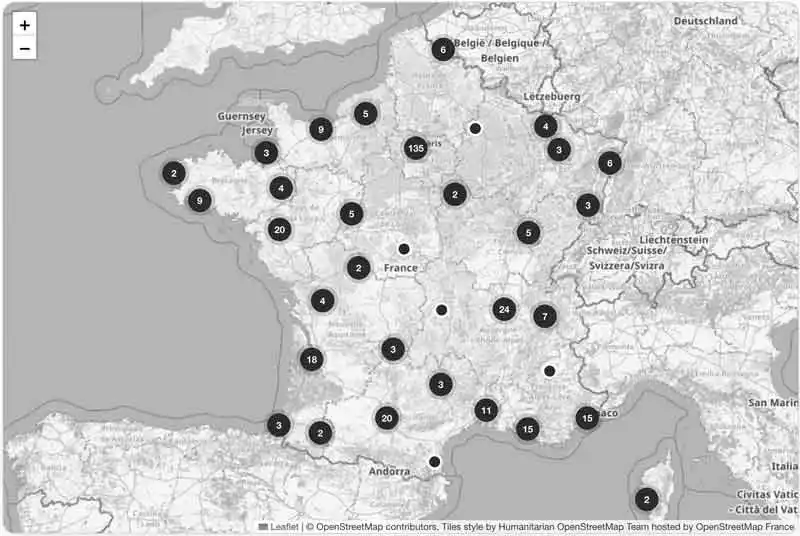
Search for a wealth management advisor among the 3 34 firms in the directory.
