What is life insurance?
In practical terms, life insurance allows a saver, known as the policyholder, to invest money into a contract, which will be allocated across different financial vehicles. This capital can then be withdrawn at any time or passed on to designated beneficiaries in the event of death.
Its popularity rests on three solid pillars: great flexibility of use, favourable taxation, and formidable effectiveness for wealth transfer. It is also often the first product recommended in a wealth management strategy.
Life insurance in a few figures
Life insurance is the French’s favourite investment, with a record outstanding balance of €2,107 billion at the end of 2025. Tax advantages become particularly attractive after 8 years of holding, with an annual allowance on gains of up to €4,600 for a single person or €9,200 for a couple. In 2025, savers paid €192.1 billion into their life insurance contracts, confirming its central role in building and passing on wealth.
How does life insurance work?
How life insurance works is relatively simple, but its strength lies in its flexibility.
The saver makes payments into their contract, either freely or on a scheduled basis. These amounts are then invested across different vehicles, depending on the risk profile and the objectives defined.
There are two main exit options:
- withdraw your capital at any time via a partial or full surrender
- convert your savings into a life annuity to receive regular income
Unlike other investments, there is no lock-up period. The money remains available, making it a product that is both long-term… and liquid. It is precisely this combination that explains its success.
Euro funds and unit-linked funds: which vehicles should you choose?
A life insurance contract is based on two main families of vehicles, which follow very different approaches.
Euro funds make up the secure portion of the contract. The capital is guaranteed, and interest is definitively locked in each year thanks to the ratchet effect. However, returns are currently relatively low, often close to inflation.
Conversely, unit-linked funds allow you to invest in financial markets: equities, bonds, real estate, or diversified funds. Here, the performance potential is higher, but the capital is not guaranteed. The value can fluctuate up or down.
The goal is not to choose one or the other, but to find the right balance between security and performance. That is exactly where support from a professional becomes truly valuable.
Life insurance taxation: a major advantage
The taxation of life insurance is one of its main strengths.
As long as the money remains invested in the contract, gains are not taxed. This is known as tax deferral: interest accumulates without tax drag, which supports capital growth over time.
In the event of a withdrawal, only the portion corresponding to gains is taxed. The saver can then choose between two options:
- the flat-rate tax (flat tax)
- the progressive income tax scale
But the real turning point comes after 8 years of holding. The contract then benefits from an annual allowance on withdrawn gains:
- €4,600 for a single person
- €9,200 for a couple
Result: in many cases, withdrawals become lightly taxed, or even fully exempt.
Life insurance and wealth transfer
Life insurance is an extremely effective tool for passing on capital outside the traditional inheritance framework.
In the event of death, the beneficiaries designated in the contract can receive capital with reduced taxation. For payments made before age 70, each beneficiary benefits from an allowance of up to €152,500.
Beyond that, taxation remains progressive and generally more favourable than standard inheritance tax. For payments after age 70, another regime applies, with a global allowance of €30,500, but gains remain exempt.
This mechanism helps optimise the transfer, notably outside the immediate family circle. It is a strategic lever in any serious wealth planning.
Flexible, adaptable management
Life insurance also stands out for its great management flexibility.
The saver can change the allocation of their savings between vehicles at any time, depending on the markets or personal circumstances. These switches are generally made without immediate taxation.
Many contracts also offer discretionary management, entrusted to professionals. The allocation is then adjusted automatically according to the risk profile. It is an ideal solution for those who want to invest without spending their evenings on it.
Why does life insurance remain a must-have investment?
If life insurance still dominates the savings landscape in France, it is no coincidence.
It combines advantages rarely found in a single product: access to savings, optimised taxation, diversification of vehicles, and effectiveness for wealth transfer. Of course, not everything is perfect. Euro fund returns are declining, some contracts have high fees, and unit-linked funds involve risk. But when used well, life insurance remains one of the most powerful tools for structuring and growing wealth over the long term.
It is exactly the kind of product that looks simple on the surface… but is formidably strategic when used properly.
Find a professional to choose your life insurance
Choosing life insurance is not just about comparing a few returns or management fees. The quality of the contract, the selection of investment vehicles, the drafting of the beneficiary clause, and how well it aligns with your wealth objectives can have a considerable impact on long-term results.
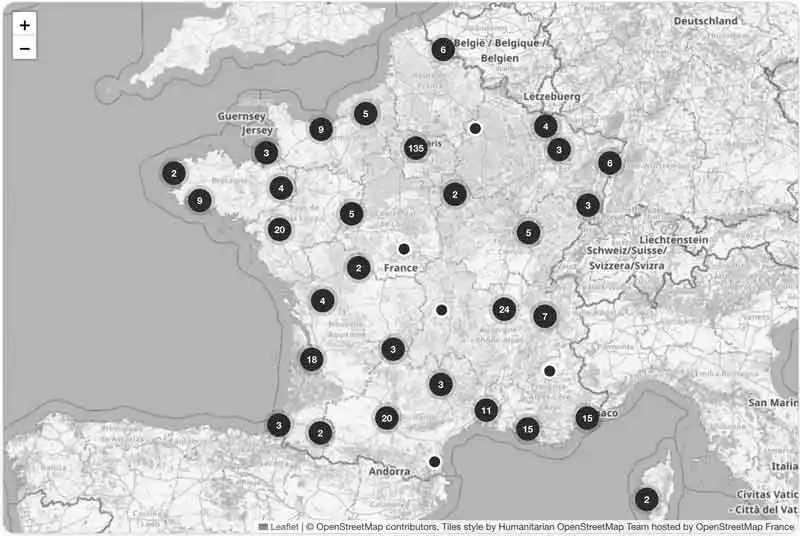
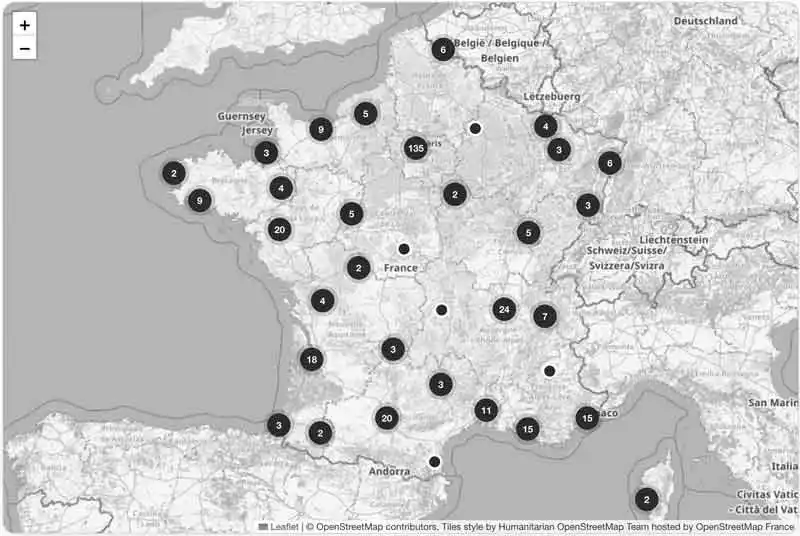
To benefit from personalised support, it may be wise to call on a professional listed in the Experts du Patrimoine directory. Wealth management advisers, brokers, or savings specialists can help you select the solutions best suited to your situation, your investment horizon, and your wealth transfer objectives.