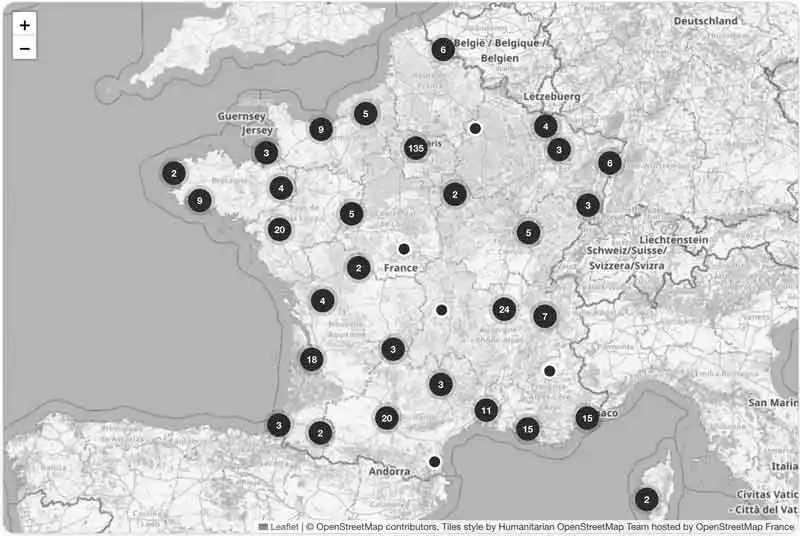
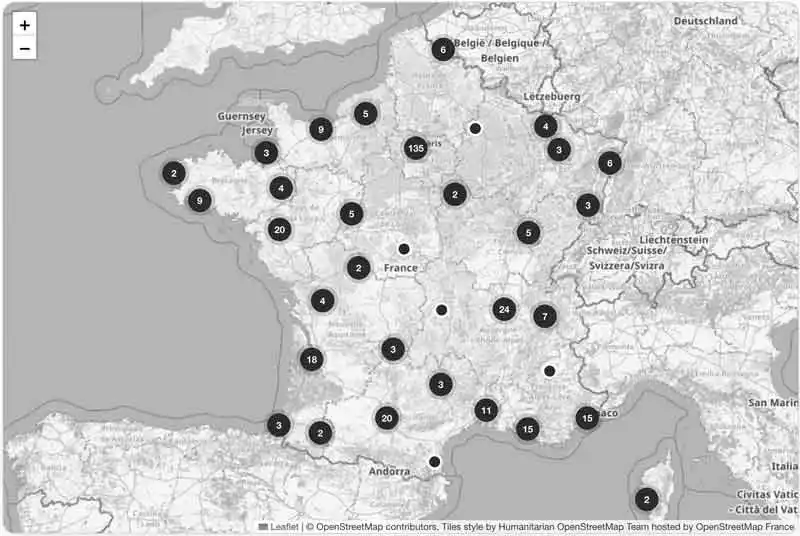
What is a CIF?
The CIF, or Financial Investment Advisor, is a professional authorized to provide advice regarding financial instruments and investment services. This regulated status allows them to support individuals, business owners, and investors in their financial and wealth management decisions.
The CIF carries out their activity within a strict framework defined by the Monetary and Financial Code. Their objective is to help clients select investment solutions suited to their situation, objectives, and risk profile.
The CIF status is frequently used by wealth management advisors, financial consulting firms, and certain structures specialized in supporting investors.
Financial Investment Advisors (CIF) in figures
The status of Financial Investment Advisor (CIF) is regulated by the Monetary and Financial Code and monitored by the Financial Markets Authority (AMF). In 2024, France had 7,013 CIFs registered with ORIAS, representing an increase of 4.5% over one year. The AMF collected data from 6,335 CIFs, representing a response rate of 93%. The firms reported a total turnover of 4.38 billion euros, of which 918 million euros were directly linked to financial investment advisory activities. They support more than 2.37 million clients, including 525,478 under their CIF activity. The top 50 firms alone account for 50% of the profession’s turnover.
What is the role of a Financial Investment Advisor?
The CIF primarily operates in the field of financial placements. They analyze the client’s situation to formulate personalized recommendations regarding different types of investments.
They can notably advise on:
- stocks;
- bonds;
- UCITS and investment funds;
- ETFs;
- life insurance policies;
- Retirement Savings Plans (PER);
- certain structured products;
- various financial investments authorized by regulation.
Their intervention aims to build a coherent strategy by taking into account return objectives, the investment horizon, and the level of risk accepted by the client.
Who can practice under the CIF status?
To practice as a CIF, the professional must meet several conditions regarding competence and integrity.
They must demonstrate a sufficient level of qualification or professional experience, take out professional indemnity insurance, and join a professional association approved by the Financial Markets Authority.
The advisor must also be registered in the unique register held by ORIAS.
This registration allows individuals to verify that the professional indeed has the necessary authorizations to carry out their activity.
What are the regulatory obligations of the CIF?
The activity of a CIF is strictly regulated to protect investors.
Before formulating advice, the professional must collect a set of information concerning their client. This step allows for the assessment of their financial knowledge, wealth situation, objectives, and risk tolerance.
The CIF is also subject to a transparency obligation regarding their remuneration method, any potential links with financial institutions, and the characteristics of the recommended products.
Each piece of advice must be justified and documented to demonstrate that it corresponds to the client’s interests.
What is the difference between a financial investment advisor and a wealth management advisor?
These two concepts are often associated but are not identical.
The term “wealth management advisor” refers to a profession or a global activity that can cover many areas: taxation, retirement, inheritance, real estate, protection, or financial placements.
The CIF status, on the other hand, corresponds to a specific regulatory authorization allowing for the delivery of financial investment advice.
A wealth management advisor can be a CIF, but may also hold other complementary statuses such as insurance broker, banking operations intermediary, or real estate agent.
Why verify a professional’s CIF status?
Verifying that a professional is properly registered as a CIF is an essential step before any investment decision.
This verification ensures that the advisor is subject to the rules of control, competence, and investor protection provided for by French regulations.
Information regarding the professional’s authorizations can be consulted directly on the ORIAS register.
This transparency helps to strengthen trust between the advisor and their client.
Should you use a CIF?
The selection of a financial placement depends on many parameters: wealth situation, return objectives, investment horizon, taxation, and risk level. A CIF can provide valuable expertise to analyze these different elements and build a tailored strategy.
If you are looking for a professional to support you in your investment choices, you can consult the Experts du Patrimoine directory to identify listed advisors and verify their authorizations, notably their CIF status and their ORIAS registration.